iPhone · free to try
Most lawn apps always have an answer. That's the problem.
Photograph a patch, answer a couple of questions, and Sward ranks what is actually wrong — with the confidence drawn, not asserted. When two causes are too close to call, it says so and tells you the one physical check that separates them.
Free to install. Scanning, reminders and the journal are free — the treatment plan and chat are premium.
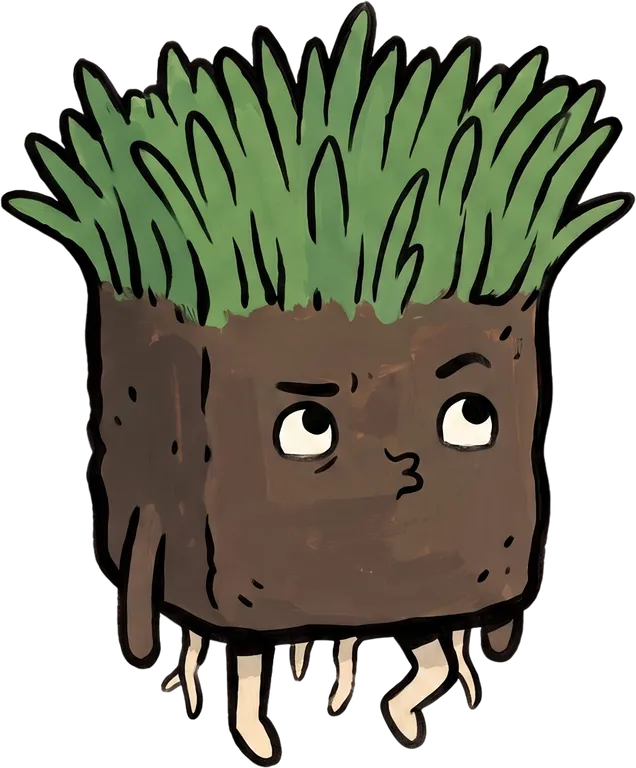
“Something is eating this, not starving it. But I can't tell you which from a photograph — grubs and chinch bugs leave damage that looks the same from standing height.”
Most likely — not settled
The check that settles it. Cut three sides of a 30 cm square and peel it back like a flap. More than about five white C-shaped larvae under it is grubs. None, and you have chinch bugs to rule out next.
How the verdict works
A cause is named only when the evidence earns it
Sward will only say “most likely” when one cause holds at least 45% of the probability and leads the runner-up by 1.8×. Below that it shows the shortlist instead. That threshold is a constant in the app, not a mood.
- 1The photograph never decides on its own. What the camera contributes is capped, deliberately below what your answers can contribute, so a single reply about how you water can argue a confident-looking photo back down. And every scan asks at least two questions, even when the picture looks obvious.
- 2Nothing gets named that nothing argued for. A shortlist is ordered by how common things are, but a cause only appears on it once actual evidence puts it there. An early build told a photograph of a spotless lawn it might have dog urine, because a ranking always has a runner-up. It doesn't do that any more.
- 3“Nothing is wrong” is a real answer. If the lawn is fine, Sward says it is fine and tells you what to keep doing. That verdict is complete and free — there is no treatment to sell you when there is nothing to treat.
The short version
What Sward won't do
Every one of these was a decision, and most of them cost something.

- ✕Print a percentage Confidence is drawn as bars against a marked line. “73% grubs” claims a precision the evidence does not have.
- ✕Score your lawn out of 100 The health trend has four states and they come from your own words. A number would be invented.
- ✕Let the model write your treatment The vision model ranks causes and nothing else. Every sentence about what to actually do was written once, by a person, and reviewed once.
- ✕Guess at your reminders Watering reminders are rule-based, never AI. Rain counts as watering, a drizzle does not count as rain, a dormant lawn is never nagged, and you get at most one notification a day.
- ✕Charge you to be told to stop The fertilizer calculator's most useful answer is “hold off, it's too hot this week”. Charging for the brake is selling the wrong half. Both calculators are free.
The closed set
Sixteen things, and it will not invent a seventeenth
The model returns weights over this fixed list. A cause it tries to invent is dropped rather than shown to you — which is what makes the ranking comparable from one scan to the next.
The library
The pairs that actually get confused
Most bad lawn advice comes from treating the wrong one of two things that look alike. These are free to read, complete, and they end with the check that settles it — not with a download button.
Is my grass dormant or dead? One look at the crown tells you
Straw-coloured either way. One recovers on its own in a fortnight of cooler weather; the other never does.
Settles it: Pull a plant and look at the crown where blades meet roots. Grubs or Chinch bugsGrubs or chinch bugs? How to tell which one is killing your lawn
Both brown off irregular patches in high summer. One cuts the roots from below; one drains the blades from above.
Settles it: Tug the turf. Grub-damaged grass lifts like a rug.Pricing
Priced by what it costs to run
Reminders, logging and the journal cost nothing to run, so they are free and uncapped. A photo diagnosis costs real money on every call — that is the part behind the subscription, and a scan that fails or is refused never counts.
Free
$0
- One patch
- Watering and feeding reminders, uncapped
- The journal and the health trend
- Both calculators, including the “hold off” warning
- Scans: what Rye saw, the verdict, and the confidence
- “Nothing is wrong” verdicts in full
Premium
$29.99 / year, or $7.99 / month
- The treatment plan — what to do, in order
- Chat with Rye about the scan
- As many patches as you have
- Everything in Free
Find out what it actually is.
And find out when nobody could tell from a photograph, including us.